

Therapist SEO Services for Better Rankings and Leads
Oct 16, 2026


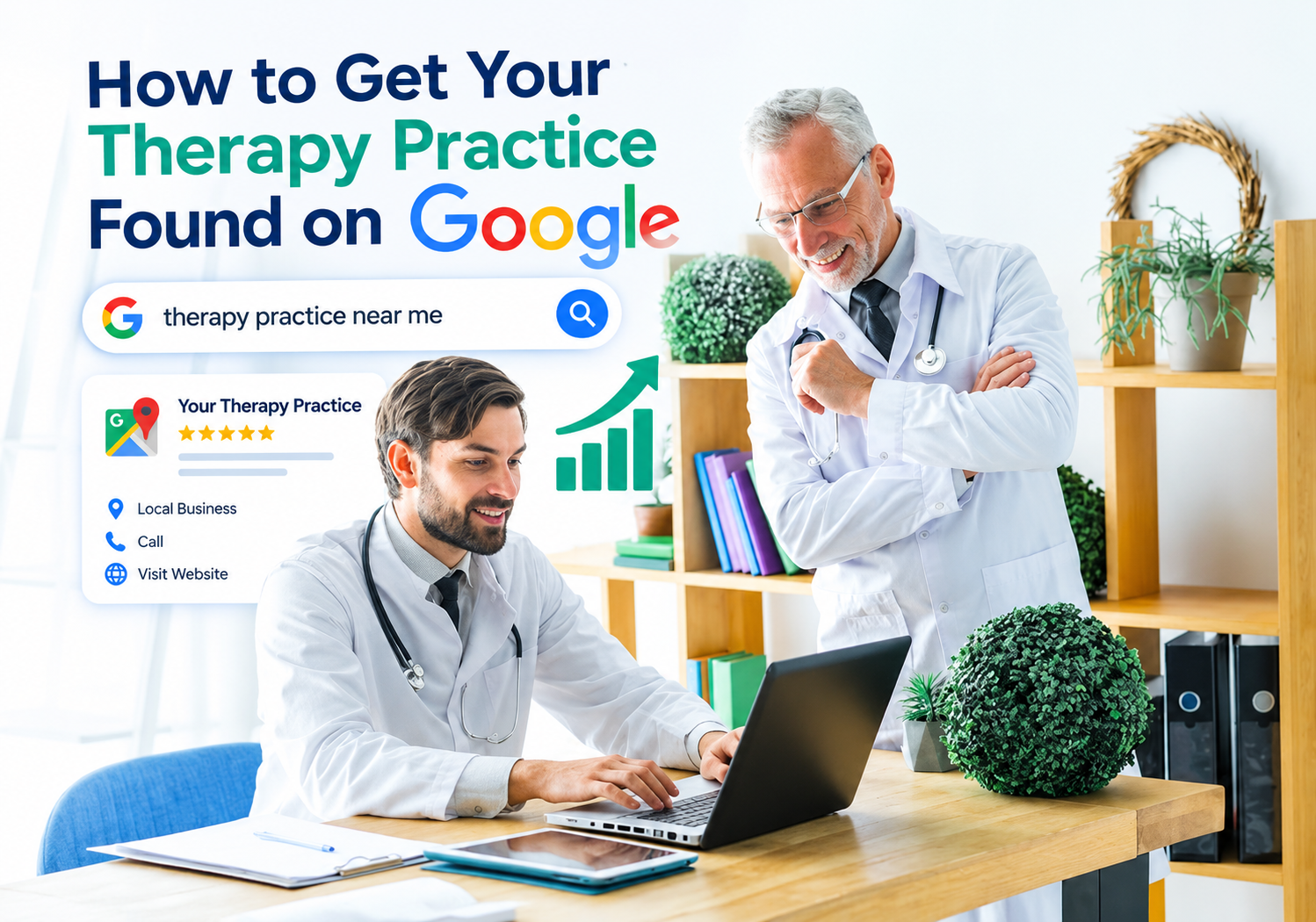
For many people looking for mental health support, Google is the first place they turn when searching for a therapist. If your therapy practice does not appear when potential clients search for relevant services, you may be missing valuable opportunities to connect with people who need your expertise. The good news is that improving your online visibility does not require complicated marketing tactics. A focused strategy can help your practice become easier to discover and more accessible to prospective clients.
The first step is understanding what people type into Google when looking for therapy services. Potential clients may search for phrases such as “therapist near me,” “anxiety therapist,” “couples counseling,” or “online therapist.”
Create website content around the services you actually provide. Instead of trying to rank for every possible search term, focus on keywords that match your expertise, location, and client needs. This helps search engines understand what your practice offers while making your website more useful to visitors.
Most therapy practices serve clients within a specific geographic area. Therefore, local visibility should be an important part of your online marketing strategy.
Make sure your practice name, address, phone number, service area, and business information are accurate and consistent across your website and online listings. Create dedicated pages for important services and locations when they are genuinely relevant to your practice.
A well-optimized website can help Google better understand your business and the areas you serve. Google also recommends providing appropriate business information and structured data to help search engines understand local businesses.
Blogging can be an effective way to attract people who are researching mental health topics before they are ready to schedule an appointment. Write articles that answer common questions your ideal clients may have.
For example, you could create articles about managing anxiety, recognizing signs of burnout, improving communication in relationships, preparing for a first therapy session, or understanding different types of counseling.
The goal should not be to fill pages with keywords. Instead, provide clear, accurate, helpful information that addresses real questions. A consistent content strategy can gradually expand the number of searches for which your website can become relevant.
Your Google Business Profile is especially important for a local therapy practice. Keep your business name, category, contact details, hours, website, and service information accurate.
Add high-quality photographs where appropriate and keep your profile updated. Encourage genuine clients to leave honest reviews if they are comfortable doing so, while following applicable professional and ethical requirements.
Your website and business profile should provide consistent information. This makes it easier for prospective clients to understand who you are, what you offer, and how they can contact you.
Ranking on Google is only part of the goal. Once someone visits your website, they should quickly understand your services and know what to do next.
Use clear navigation, readable text, descriptive page titles, and simple calls to action. Your contact information should be easy to find. If you offer online appointments, explain the process clearly.
Your website should also work well on mobile devices because many people search for services from smartphones. A confusing or slow website can make visitors leave before they contact your practice.
A focused professional Therapists SEO strategy can help organize your website, content, local visibility, and keyword targeting around the people you want to reach.
Good Therapists SEO is not simply about adding keywords to every page. It involves creating useful content, improving website structure, targeting relevant searches, and making it easier for both search engines and potential clients to understand your practice.
When your website answers the questions people are already searching for, you have a better opportunity to attract relevant organic traffic.
Links from reputable and relevant websites can help strengthen your website’s online presence. Consider building relationships with professional organizations, local community resources, wellness publications, or other legitimate websites related to your field.
You can also create useful resources that other websites may naturally want to reference. Avoid purchasing low-quality links or participating in manipulative link schemes. Sustainable Therapists SEO focuses on building credibility through valuable content and legitimate online relationships.
SEO requires patience and regular monitoring. Use tools such as Google Search Console to understand which searches bring people to your website and which pages receive attention.
Review your website performance regularly and look for opportunities to improve pages that are not attracting the right audience. Search visibility can change over time, so ongoing optimization is more effective than treating SEO as a one-time project.
Google also notes that crawling and indexing can take time after new pages are published, so practices should not expect immediate ranking changes.
One common mistake is creating content solely for search engines instead of helping real people. Another is using the same keywords repeatedly in an unnatural way. Poor-quality pages, inaccurate business information, unclear navigation, and outdated content can also reduce the effectiveness of your online presence.
A better approach is to focus on useful information, accurate details, a professional website, and a consistent strategy. Effective Therapists SEO should support both search visibility and the experience of potential clients.
How long does it take for a therapy practice to appear higher on Google?
There is no guaranteed timeline. Results depend on factors such as competition, website quality, content, location, and the overall strength of your online presence. SEO generally requires consistent effort rather than immediate results.
Should therapists create a separate page for every service?
If you offer multiple distinct services, dedicated pages can make it easier to explain each service clearly and target relevant searches. However, pages should provide genuine value rather than being created only to target keywords.
Is local SEO important for therapists?
Yes. Many clients look for therapists in their area, making local visibility particularly valuable for practices that serve specific communities.
How often should a therapy website publish new content?
There is no universal publishing schedule. Quality is more important than publishing frequently. Focus on creating useful, accurate articles that answer questions relevant to your potential clients.